在中国北部渤海湾昌黎县一段被称作黄金海岸的沙滩上,OPEN设计了一座消隐的美术馆,如同藏于沙丘之下的神秘洞穴。
海岸沙丘经历了漫长的时间累积和风沙推移而自然形成,并被原生低矮灌木深扎的根系固化下来。将美术馆选址于沙丘之下,既是对自然的敬畏,也是一种保护:因为沙丘美术馆的存在,这片沙丘将永远不会人为“被推平”,从而维护了千百年累积下来但也十分脆弱的沙丘生态系统。
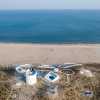
在中国北部渤海湾昌黎县一段被称作黄金海岸的沙滩上,OPEN设计了一座消隐的美术馆,如同藏于沙丘之下的神秘洞穴。
海岸沙丘经历了漫长的时间累积和风沙推移而自然形成,并被原生低矮灌木深扎的根系固化下来。将美术馆选址于沙丘之下,既是对自然的敬畏,也是一种保护:因为沙丘美术馆的存在,这片沙丘将永远不会人为“被推平”,从而维护了千百年累积下来但也十分脆弱的沙丘生态系统。
On a quiet beach along the coast of northern China’s Bohai Bay, the UCCA Dune Art Museum is carved into the sand, where it gently disappears.
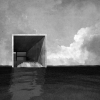
在中国北部渤海湾一片安静的沙滩上,OPEN设计了两个艺术空间:一个在岸边,如同藏于沙丘下的神秘洞穴;一个在海里,如同露出海面上的黑色礁石。两者之间,一条长长的栈道连接沙滩与大海、艺术与人。两个空间构成了一场无声的海边对话。
Two art museums on a quiet beach along the coast of Bohai Bay in northern China: one hidden in the sand dunes, like mysterious caves; one rising out of the sea, like a solitary rock. A long walkway in between connects the sand and the sea, the art and the people. The two museums create a silent dialogue by the sea.

This is an exceptional exhibition design, fittingly corresponds to the large-scale group exhibition’s theme: The New Normal.
这是一次非同寻常的展览设计,有趣地呼应了“例外状态”这个群展的主题。
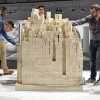
This is an art installation OPEN designed for the “Soul of City” Exhibition at Marmomac 2017, which invited designers from seven different countries to collaborate with some of Italy’s finest stone manufacturers and interpret their own understanding of the given theme, using a single building material – natural stone. The exhibition would only last four days, and stone is a rather heavy building material.
这是OPEN为Marmomac 2017 里的“Soul of City (城市的灵魂)”展览而设计的艺术装置。展览邀请了7组不同国家的设计师,与意大利最顶尖的石材生产厂商合作,运用石材进行创作,诠释自己对“城市灵魂”的理解。
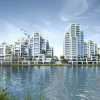
湖岸叠山坐落于四川省成都市中轴线南延线,地处麓湖生态城的核心区域。基于我们对于未来城市生态性和人文性的信仰,我们提议构建一个容纳复合功能的生态聚落。
山城:
层叠错落的建筑形体顺应着场地复杂的限高要求。借助于对山形的抽象,我们创造了层层退后的景观露台,在充分利用场地中全方位景观资源的同时,也创造了新的生态景观。如山势般充满变化的建筑空间与分散在不同高度上的室外花园被一同容纳在阳极氧化铝材质的框架之中,用充满未来感的语言将人工与自然最大化地融合在一起。
水镇:

海洋中心是为清华大学新成立的海洋学部设计的一栋实验及办公楼,其场地位于深圳西丽大学城清华研究生院的东端,紧邻主校门。速生的大学城是中国近年来新城发展的一个个缩影,它们远离城市,孤岛般地与世隔绝,又常常大而无当,缺乏人性化的公共服务设施。我们希望借助海洋楼的契机,让这栋建筑以一种崭新的姿态介入校园生活,使其呈现一种与以往完全不同的可能性:在这里建筑空间流动愉悦,其间注入的公共设施以开放的形态吸引所有师生的参与;在这里那些智慧的头脑可以不期而遇,跨学科的交流成为自然而然。
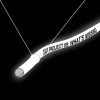
OPEN’s Exhibition design for the Shanghai Project @ Himalaya Museum
This project is an experiment to break down the spatial barriers from conventional museum structure between the artwork and artwork, and between the art and the public, thus establishing a new kind of relationship between arts, in this case, the Projects, and between the Projects and the Public.
OPEN“上海种子”展览设计 @ 喜马拉雅美术馆
这个实验性设计旨在打破传统博物馆建筑中艺术品之间,以及艺术品与公众之间的壁垒,从而在艺术品(此语境下则是展览项目)之间,以及展览项目与公众之间建立一种全新的关系。
Tsinghua Ocean Center, a laboratory and office building for the newly established deep ocean research base of Tsinghua University’s Graduate School, is located at the eastern end of the campus in Shenzhen Xili University Town, right next to the main campus entrance.

Pudong’s Lujiazui, an iconic postcard perfect city center of glittering objects, the triumph of Chinese urban development. It no longer needs more objects to be exciting. Instead, it urgently calls for attention to people’s real need, and the return of nature in the concrete jungle.
Imagine a park that shelters natural inhabitants, including ourselves-–for we also need art, to enlighten our wondering souls.
浦东陆家嘴,一个明信片式的现代城市中心,“建筑物体”制造的高潮,中国城市高度发展的象征,然而深入其中,却是一个碎片化的、缺乏人性关怀的城市肌理。
今天,它已经不再需要通过任何更多的“物体”,来增加视觉感官的刺激。
相反,在这个过去与未来交汇之地,我们亟需的是,人性的关怀与自然的回归。
The Lakeshore Peaks is located at the core of Luxelake Eco-city in Chengdu, down to the south along the city’s central axis. Constructed upon our belief towards eco-friendly future cities and humanist design, OPEN proposed an eco-living settlement with multiple functions and programs.
Mountain City
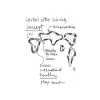
To envision a future where people all live along the coast and leave the mainland free for nature, which will become a publically accessible international vacation resort.
设想未来人们都生活在海岸线边上,内陆则留给大自然,成为公共的国际地域供人们度假游玩。
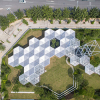
HEX-SYS is a reconfigurable and reusable building system designed by OPEN. It is our reaction to the unique Chinese phenomenon in the building frenzy of the recent decades: the production of a vast amount of flamboyant but short-lived buildings. This modular building system can easily adapt to many different functions, and can be disassembled and reused, thus extending a building’s life cycle and saving a significant amount of resources. Because it is modular and prefabricated, it can be built much faster than traditional buildings.